
Duration & Internship
Minimum 54 months of course duration plus a mandatory 12-month clinical rotation at the same institution.



The demand for studying medicine overseas among Indian students has increased significantly in recent years, with nearly 20,000–30,000 students travelling abroad annually for medical education. According to official data from the Ministry of External Affairs (MEA) and the National Board of Examinations (NBE), over 23 lakh students appeared for the NEET UG 2025 examination, competing for approximately 1.8 lakh medical seats across India.
Due to the limited availability of government MBBS seats and the high tuition fees of many private colleges, thousands of Indian students now prefer pursuing an MBBS abroad at globally recognised medical universities. Countries such as Russia, Georgia, Uzbekistan, and the Philippines have become popular destinations because of their affordable fee structures, English-medium programs, and NMC-recognised universities.
Show More
We collaborate with a wide network of international medical universities, supporting Indian students to pursue the MBBS abroad with confidence. Our partner universities are recognised by national and international medical bodies, enabling Indian students to enrol at reputable institutions.
 Yaroslav The Wise Novgorod State University
 Orel State Medical University
 Ural State Medical University
 National Research Nuclear University MEPHI
 Chechen State University
 Tyumen State Medical University
 Saint Petersburg State Pediatric Medical University
 Omsk State Medical University
Pursuing a medical education overseas offers Indian students access to a global experience with modern, high-tech facilities. Beyond the academic experience, pursuing an MBBS abroad also offers a structured teaching approach that focuses equally on theoretical and practical learning.
Foreign medical institutions offer modern infrastructure, simulation centres, laboratories, digital learning centres and high-tech hospitals.
MBBS degrees are awarded by medical institutions listed in WDOMS and recognised by relevant medical bodies.
Studying MBBS abroad can offer a more cost-effective option than many private medical institutions in India.
Many government-funded universities do not charge donation or capitation fees from international students.
Many international universities provide merit-based admission routes for international medical aspirants.
University-affiliated hospitals can provide hands-on experience with diverse patient populations.
Top universities integrate English-taught curriculum for lectures, examinations and textbooks.
Overseas study helps students develop resilience and cross-cultural awareness.
Students can participate in research and innovation opportunities at medical centres and institutes.
Graduates can explore licensing, postgraduate study and professional pathways subject to applicable rules.
A very important aspect of pursuing an MBBS abroad is considering all the guidelines from India’s National Medical Commission (NMC). Under the Foreign Medical Graduate Licentiate (FMGL) Regulations, 2021, several guidelines were published to ensure foreign medical education matches Indian standards.
Minimum 54 months of course duration plus a mandatory 12-month clinical rotation at the same institution.

The curriculum must include the mandatory subjects and core medical disciplines specified under applicable FMGL requirements.

The medical curriculum, examinations and clinical training must be taught in English as required by the regulations.

The foreign institution must be recognised in its jurisdiction and grant a valid medical degree.

After the foreign academic and clinical phase, an additional mandatory internship in India may apply.
NEET qualification is mandatory for eligible Indian students pursuing an MBBS abroad.
Graduates must clear the applicable Indian medical licensing/screening requirement.

The medical education should be completed in the same institution without switching, subject to applicable rules.

The complete MBBS abroad including coursework and clinical rotations must meet the applicable completion timeline.

To ensure a smooth transition from application to university registration, Indian medical aspirants should keep all required documents organised with multiple photocopies.
X & XII MarksheetNEET Score Card Birth Certificate
 Bank Statement
 English Certificate
 School Transfer Certificate
 Police Clearance Certificate
 Medical Test Report
 Photographs
 Sponsorship Affidavit
 Minor Certificate
 Passport
Both the experiences of pursuing an MBBS abroad and within India differ in several areas, including competition, admission process, tuition fees and many other factors.


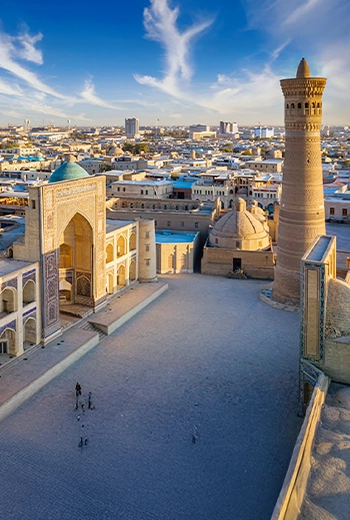





Here are the two most important medical exams for MBBS Abroad students in India, i.e., NEET and FMGE exams. NEET is the mandatory entrance exam and FMGE is the licensing exam for eligible graduates who wish to practise medicine in India.

NEET is the mandatory entrance qualification for eligible Indian students planning to study MBBS abroad.

FMGE is the licensing examination applicable to foreign medical graduates who seek registration in India, subject to current rules.
From counselling and university selection to visa and travel, students need clear guidance through every stage of the admission journey.

Select a suitable university based on eligibility, recognition, fees and other factors.

Prepare and submit academic, identity and other required documents.

Complete the application and receive admission confirmation from the university.

Prepare the required documents and complete the student visa process.

Complete travel preparation and follow the pre-departure checklist before flying.

Get guidance after reaching the destination and joining the university.
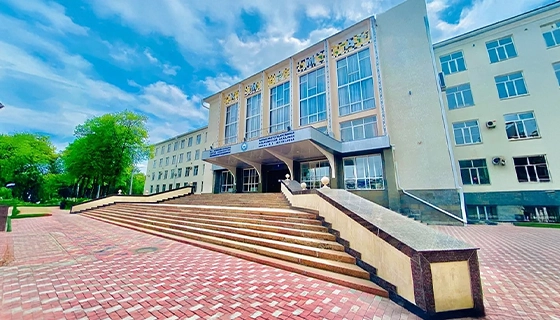
Kyrgyzstan
MBBS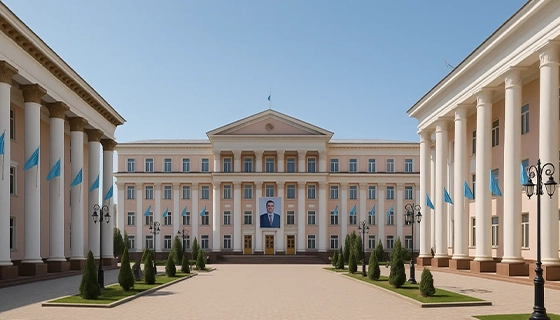
Kazakhstan
MBBS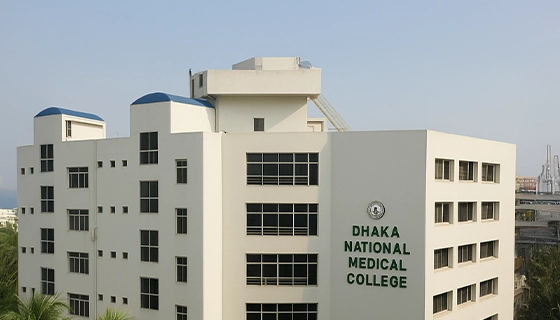
Bangladesh
MBBS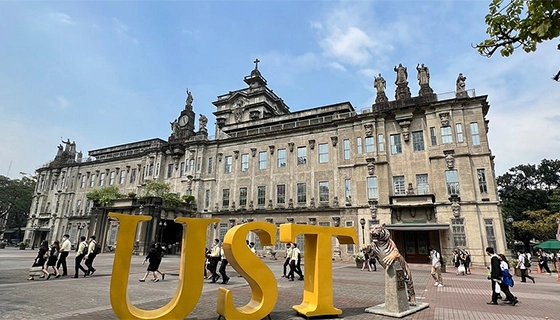
Philippines
MBBS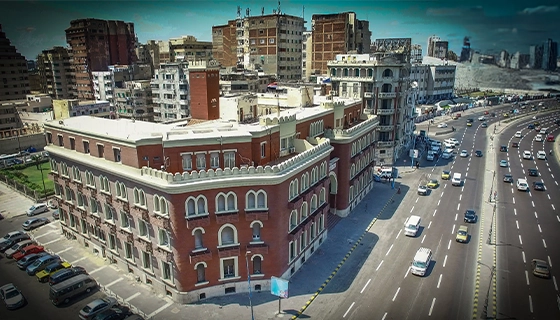
Egypt
MBBS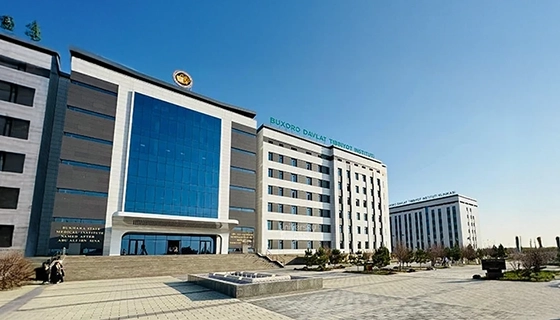
Uzbekistan
MBBS
Explore medical and legal roles in forensic investigations.

Explore research, clinical studies and pharmaceutical opportunities.

Combine medical knowledge with legal and compliance work.

Build a career in teaching and medical education.

Work in specialised areas connecting healthcare and behavioural science.

Pursue further medical education and specialisation as applicable.